

Rain fielded high-speed water-drop models and next-generation mission behaviors during a series of flight campaigns with SAFER Texas
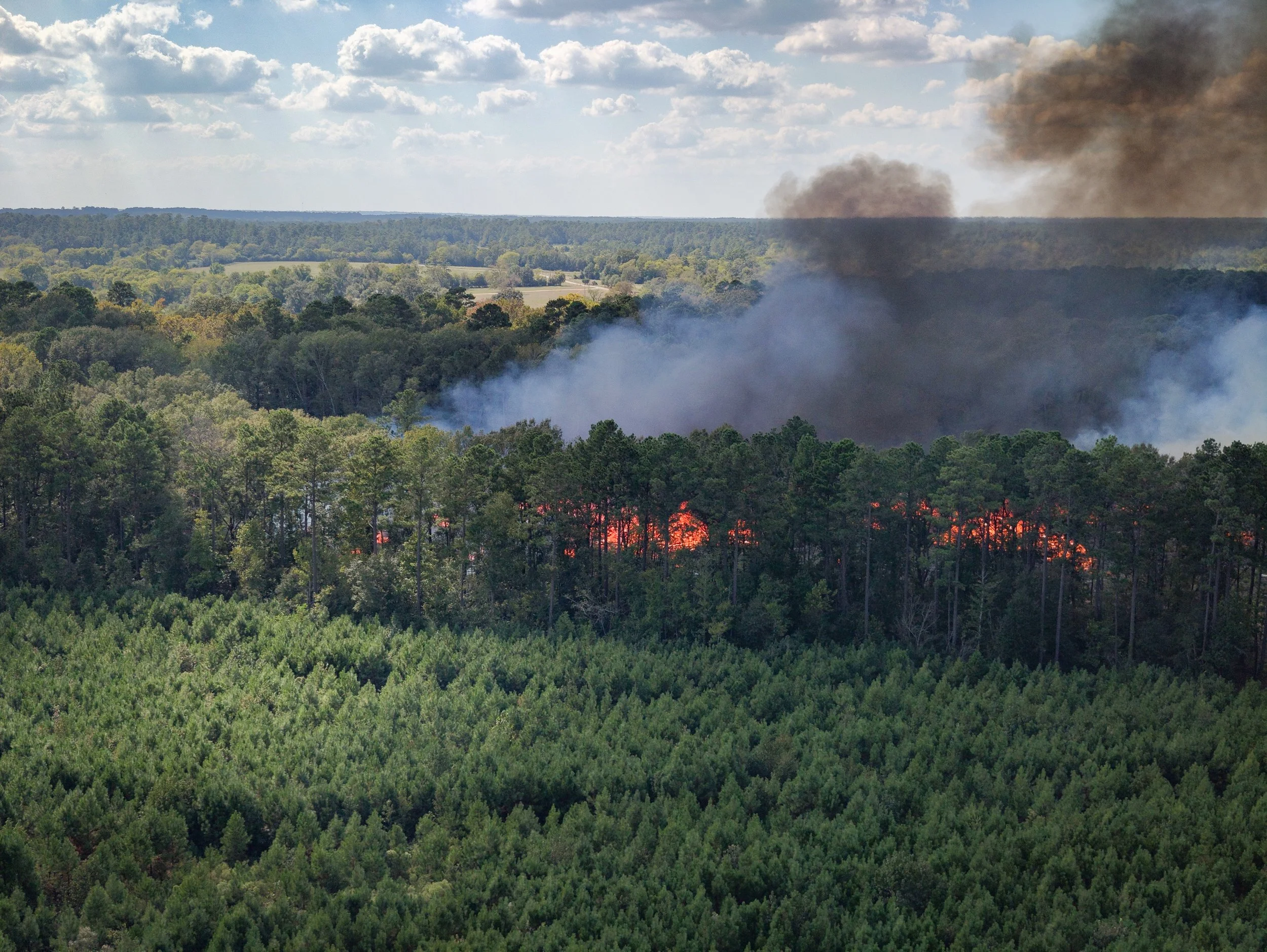
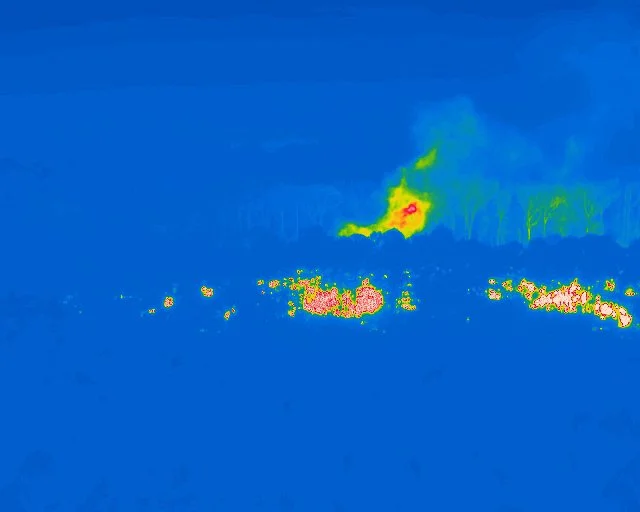
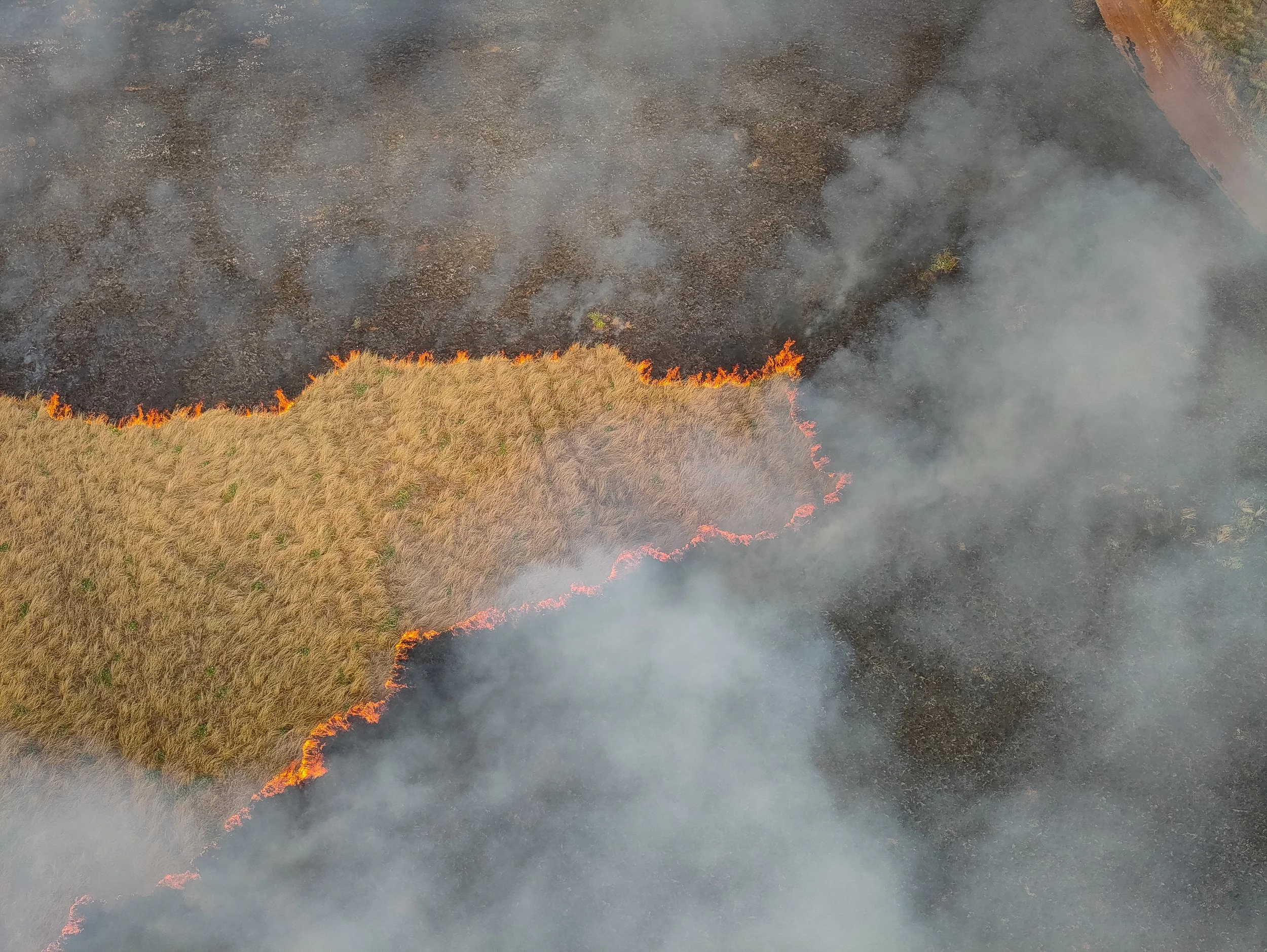
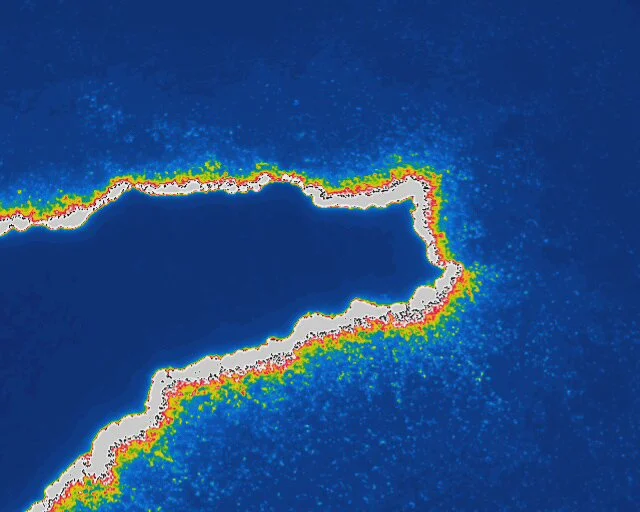
Thermal drone imagery captures fire behavior during a prescribed burn in Texas, for a field-data project funded by Lyda Hill Philanthropies.
Over the summer, Rain fielded new autonomous aerial wildfire suppression capabilities during a series of rigorous full-scale flight tests in Connecticut. The results will help inform the SAFER Texas program’s path forward for mission autonomy and autonomous wildland firefighting.
During the campaign, Rain demonstrated autonomous liftoff with an underslung bucket, autonomous water pickup and autonomous water drops. Full-scale drops were characterized across coverage levels 2–4, winds of 3.5–14 knots, drop altitudes of 140–170 feet above ground level and airspeeds of 20–80 knots.
Rain’s high-speed suppression models planned water drops at airspeeds up to 80 knots, the maximum speed permitted for underslung bucket operations. The models predict the optimal aircraft motion needed to achieve a desired coverage level and place water accurately for effective suppression.
The flights also fielded Rain’s next-generation wildfire mission behaviors, including the ability to cancel a water drop or adjust it to account for fire movement. By considering a broader set of future objectives when planning a mission, the system can adapt its suppression strategy more quickly as fire conditions and operational priorities change.
Texas and Wildfire
Texas faces significant wildfire risk. In 2024, the Smokehouse Creek Fire became the largest wildfire in state history, burning more than one million acres and causing more than $1 billion in damages. Early detection and rapid response can change the outcome of a fire, and autonomous aircraft that can be positioned near high-risk areas and operate at night and in smoky conditions are one way Texas is evaluating to add response capacity.
Rain’s software equips aircraft with the intelligence to perceive, understand, and respond to wildfires. The technology has previously been demonstrated on a Black Hawk® helicopter, including autonomous water drops on a test fire in San Bernardino County, California.